The alternator is one of the key components of a vehicle’s electrical system, but like many other systems, the alternator is often forgotten about until a problem happens. When you ask, “Can you drive a car with a bad alternator?” the honest answer is yes – but only for a short time, and never safely. Once the alternator starts failing, the entire charging system becomes unstable, the car batteries begin to drain, and crucial electrical components struggle to function. What may start as a minor issue, such as a weak battery or warning light, can quickly escalate into loss of vehicle control, fuel delivery failure, or complete engine shutdown.
Driving with a bad alternator is more than just an inconvenience; it puts you, your passengers, and your vehicle at risk. That is why it is crucial to understand how the alternator works, the problems that can arise, and how to dial roadside assistance to minimize the risks.
What an Alternator Actually Does
The alternator converts mechanical energy from the engine into electrical power. This electricity runs everything inside the car, from the internal lighting to the engine control module, and from the windshield wipers to the climate controls. It also recharges the automotive battery, which stores the energy required to start the car and stabilize overall battery voltage.

A common misconception for many is that the battery is what powers the vehicle when it is moving. The truth is, the alternator provides the vehicle with energy. The battery provides energy only during the start sequence. Once the alternator fails, the battery will deplete faster and faster as it powers systems that it was not designed to power for a long time. This is why checking your alternator is an essential to-do maintenance before embarking on a road trip. So, can you drive a car with a bad alternator? It’s possible, but not recommended.
What Happens When the Alternator Goes Bad
- Electrical systems start to weaken: The first signs usually show up in the electrical systems. You may notice dimming, flickering, or uneven brightness on the dashboard screen, headlights, and interior bulbs.
- Warning lights appear on the dashboard: The battery light or battery warning light often turns on early. Sometimes, several dashboard electronics start flickering at the same time.
- Unusual noises or smells develop: A worn alternator belt or serpentine belt can produce a high-pitched squeal. You might also notice a burning rubber smell if the belt slips, overheats, or moves out of alignment. If you’re facing this issue, the question on your mind is probably: Can you drive a car with a bad alternator?
- Voltage regulator problems may occur: If your car uses a voltage regulator, failing voltage regulator diodes can interrupt proper voltage regulation and send a power surge through the electrical system.
- The battery begins to drain rapidly: Once the alternator can no longer charge the battery, the car relies entirely on stored battery power. As the battery condition weakens, you may experience slow cranking, car starting issues, or sudden stalling.
- Even strong batteries can’t keep the engine running for long: An AGM battery with high cold cranking amps may last slightly longer, but without alternator support, the engine will eventually shut down completely.
What Fails When the Alternator Dies

- Fuel delivery systems stop functioning: The engine will stall immediately when the fuel pump and fuel injectors lose electrical signal, and, as a consequence, the fuel supply to the engine is cut off.
- Engine management systems begin to collapse: Components such as the ignition system, ignition coil, and engine control module struggle to operate, leading to misfires, loss of power, or complete engine shutdown.
- Major electronic components weaken: Modern cars are highly electrically dependent, so systems such as power steering, cooling fans, rear defroster, power seats, power windows, and dashboard lights start to fail.
- Climate controls shut down: As the voltage drops further, heating and cooling systems will stop working.
- Steering becomes difficult or unsafe: Electronic or electric-assisted steering cars will be impossible to control as the system will stop functioning without a stable voltage supply.
- Dashboard displays fade out: The dashboard screen and gauges, including the voltage gauge, may dim or go completely blank.
- The vehicle eventually shuts down entirely: Ignoring these signs leads to complete electrical failure, causing the engine and all systems to turn off without warning.
Is It Safe to Drive With a Bad Alternator?
Technically, the car may still move for a short distance if you have some charge left in the battery. But driving with a bad alternator is never safe. The problems of battery power disappearance when driving, however, include unpredictability, as drivers can not know when the battery will be dead. Factors such as total power rights, running accessories, and battery health can cause the vehicle to stop running after a couple of minutes of driving or after an hour.
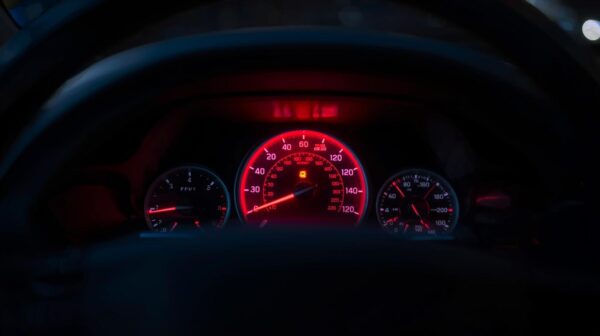
If the alternator fails while you’re on a highway, you could suddenly lose power steering, headlights, and even engine power. Without lights, the electronic systems go dark, and the car becomes dangerous to drive at night. Losing cooling fans also leads to overheating, which can damage the engine.
Even vehicles designed for special conditions, such as race cars or high-performance models, will require robust electrical systems. If these systems fail, the vehicle will turn off. No exceptions.
How Far Can You Go With a Bad Alternator?
The answer to ‘can you drive a car with a bad alternator’ is yes, but only for a short distance. When an alternator stops functioning, cars can only run for a short while, only around 10-30 minutes, based on how much charge is left in the battery, how much drain there is on the battery, the type of accessories in use, and the type of battery in the vehicle. AGM monitors the battery’s charge level while the vehicle is in use.
While it depends on how much charge the battery is holding, it is technically possible to drive a short distance on the battery alone. In this instance, energy drain to the electrical system of the vehicle would need to be minimized. However, if the vehicle is restarted, power is consumed, and the system battery is quickly drained, the vehicle eventually becomes inoperable.
Signs Your Alternator Is Failing
The most common symptoms include:
1. Battery light or warning light turning on.
2. The dimming lights or flickering lights inside or outside the car
3. Squealing from the drive belt or serpentine belt
4. Electrical features like power windows or dashboard electronics behaving erratically
5. Burning smell indicating belt or alternator failure
6. Stalling engine or difficulty starting
7. Low reading on the voltage gauge
Can you drive a car with a bad alternator? Yes, but you’ll risk damaging your car’s electrical system. An alternator problem often looks like a battery problem at first, so many drivers replace the battery when the real issue is an alternator that isn’t recharging it.
Why the Battery Alone Can’t Keep the Car Running
Car batteries are not like D-size batteries that deliver steady, low-power output. A vehicle battery has a high-energy storage unit that supports starting and stabilizes electrical flow. Running the entire vehicle on battery power drains it quickly.
Once the alternator is out of the picture, the vehicle is depending entirely on the battery’s stored power. The less reliable the battery case is, the faster the battery storage will deplete. There comes a point at which the stored energy cannot continue to fuel the engine or power the electrical components.
Once that point of no return is reached, the battery is fully discharged, and the motor will power off.
What to Do If Your Alternator Fails While Driving
The safest step is to pull over immediately. Turn off any non-critical systems such as the radio, AC, or interior lights to conserve power. If you have a jump starter, make sure to use it, along with the car’s battery, to give the car enough energy to drive a short distance. But that won’t fix the problem. Your car likely has underlying issues that need to be addressed by a professional, and they are much more convenient and cost-effective than the death trap you have at the moment.
In this case, it is better to call for roadside assistance than to try to drive with the clearly malfunctioning electrical system. If there are nearby mechanics, it’s best for the tow truck to pick you up and take you there. Before attempting to drive, ask yourself: can you drive a car with a bad alternator safely? Do not drive in the danger of a breakdown.
Testing and Diagnosing Alternator Problems
A common way to identify problems in charging systems is with devices like charging system testers from AutoZone to measure battery voltage, alternator output, and voltage regulation. Mechanics do this to figure out which component is faulty: the alternator, battery, belts, or voltage regulator.
Inspecting the belts is another thing you can do. One of them is to ensure the drive belt is not slipping and has the correct amount of tension. If the belt is not making contact with the alternator pulley, it won’t be able to spin it, resulting in reduced electrical output. If you use jumper cables to attach, you should always connect the negative cable to a grounded metal surface rather than directly to the battery. This will avoid sparks.
Conclusion
You should never drive with a faulty alternator unless you absolutely have no choice, and only for a very short distance. Once the power supply collapses, the vehicle shuts down, electrical safety systems fail, and the engine loses fuel delivery.
Simple alternator problems or electrical issues of any kind can escalate and cause extensive, costly damage to your vehicle. An alternator problem is serious and needs to be addressed immediately. As soon as you see the warning signs, you must shorten your trip and consider getting the alternator inspected. Battery and other charging system warning lights should be considered among those warning signs. A bad alternator doesn’t just drain your battery; it puts your entire vehicle at risk.